
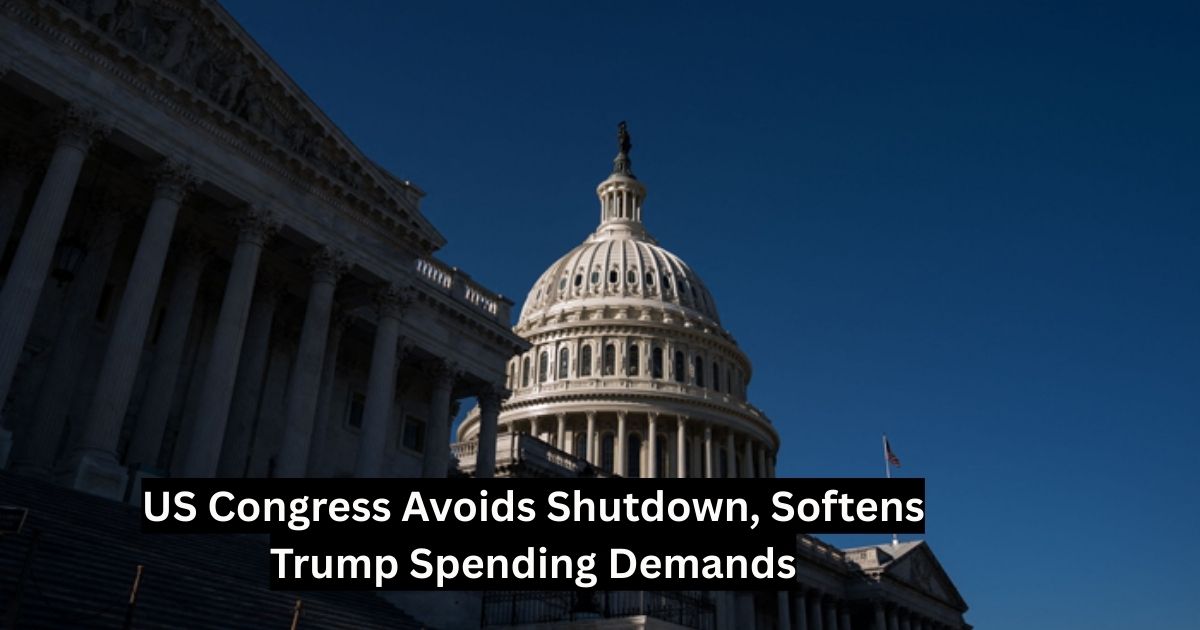

Washington rarely does anything quietly. But this time, Congress actually delivered. US Congress avoids shutdown, softens Trump spending demands and the relief across federal agencies was almost immediate. Lawmakers struck a bipartisan budget deal just ahead of the January 30 deadline, walking back many of the aggressive spending cuts the Trump administration had pushed for. It’s not a perfect agreement but it’s a functioning one.
For millions of Americans who depend on federal services, this deal matters more than most political headlines do. A shutdown would have meant furloughed workers, stalled government programs, and real disruption to everyday life. Instead, Congress chose compromise over chaos. The legislative package keeps agencies funded, protects key programs, and buys lawmakers more time to work through their deeper disagreements.
US Congress Avoids Government Shutdown in Last-Minute Bipartisan Deal
Congressional leaders from both parties hammered out a federal spending compromise just in time to prevent a government shutdown. The legislative compromise package walks back many of the steep domestic spending cuts the Trump administration had pushed for, offering a more moderate path forward. It wasn’t the deal hardliners on either side wanted but it was the deal Washington needed.
The stopgap funding bill keeps federal agencies funded while longer-term appropriations negotiations continue. Republican and Democratic leaders jointly committed to maintaining governmental continuity, even as they sparred over specifics. For everyday Americans, this means federal services stay up and running at least for now.
What Happens in a US Government Shutdown?
A government shutdown happens when Congress fails to pass a funding bill before the fiscal deadline. When that occurs, federal agencies lose their budget authorization and must suspend all non-essential operations. Think of it like a business running out of payroll work stops and workers go home unpaid.
The effects ripple fast. National parks close, passport processing stalls, and hundreds of thousands of federal employees face furloughs without pay. The longer a shutdown drags on, the worse the damage gets. In fact, the record 43-day shutdown caused significant disruption to public services and economic data collection. Nobody wants a repeat of that.
Fiscal Stability Amidst Debate
Despite fierce policy disagreements, lawmakers showed a shared commitment to federal budget stability. The compromise bills reject the most severe proposed cuts and instead focus on keeping critical programs funded.
Agencies like NASA, the National Science Foundation, and the State Department all retain meaningful support under the new framework a clear rebuff to the more drastic proposals from the White House.
ICE Funding Stalemate
The DHS budget dispute emerged as one of the thorniest issues in the whole negotiation. Progressive Democrats pushed hard for ICE oversight measures, including body cameras for ICT agents, no-warrant search restrictions, and limits on enforcement near sensitive locations like schools and places of worship. These demands came on the heels of controversial immigration enforcement operations that drew national attention and public outcry.
Budgetary Rebuffs to Administration
Across the board, the compromise bills pushed back firmly on the administration’s proposed cuts. Agencies like the IRS and EPA face only modest reductions far smaller than what the Trump administration originally sought.
Programs like foreign aid and the National Endowment for the Arts, both targeted for elimination, survived the final legislation. It’s a significant win for those who argued that gutting federal programs would do more harm than good.
Tariffs Ruling Is Major Blow to Trump’s Second-Term Agenda
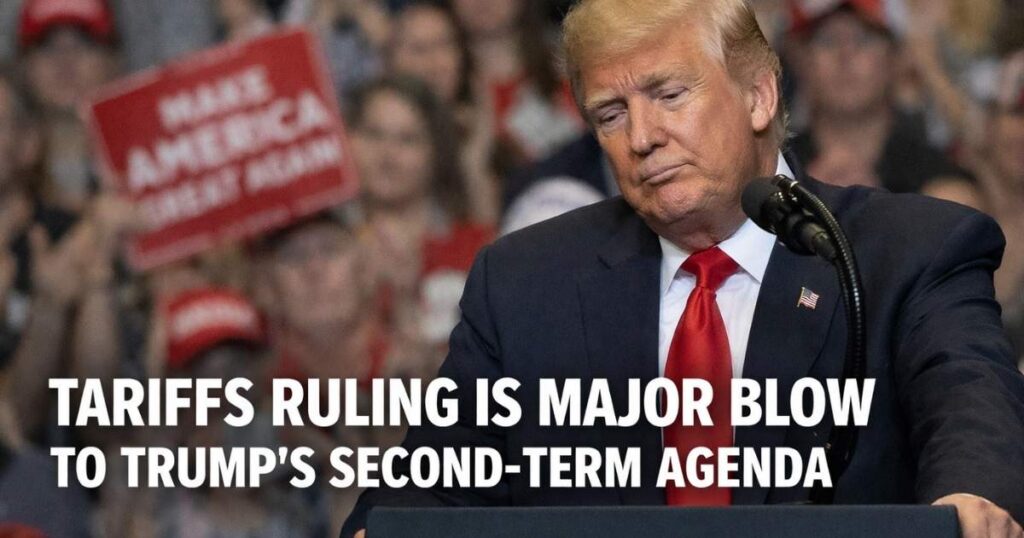
A federal court ruling recently struck down key parts of Trump’s sweeping tariff policy, dealing a serious blow to one of his administration’s signature economic strategies. The ruling found that certain tariffs exceeded the executive branch’s authority, forcing a reassessment of trade enforcement mechanisms. For an administration that placed tariffs at the center of its economic agenda, this is a major setback.
The decision adds pressure on the White House at a time when it’s already navigating contentious congressional negotiations. Economic policy negotiations around trade have now become even more complicated. Legal experts say the ruling could limit future tariff actions unless Congress explicitly authorizes them which, given current political dynamics, isn’t a sure thing.
Trump Vows Higher Tariffs on Countries That ‘Play Games’ With Trade Deals
President Trump wasted no time firing back. He vowed to impose higher tariffs on any country that tries to exploit or delay trade agreements, warning that “playing games” would come at a steep economic price. The statement signaled that the administration has no intention of softening its trade posture, even in the face of court setbacks.
Whether those threats carry legal weight post-ruling remains an open question. However, the message was clearly aimed at trading partners who may see the court decision as an opening to renegotiate terms. Trump’s hardline stance on trade has been a defining feature of his political brand and he isn’t about to abandon it quietly.
Armed Man Killed After Entering Secure Perimeter of Trump’s Residence
Security forces shot and killed an armed man who breached the secure perimeter around President Trump’s residence. The incident prompted an immediate review of protective protocols by the Secret Service. Details about the man’s identity and motive were not immediately released to the public.
The episode underscores the persistent security threats facing high-profile political figures. It also reignited debate about the adequacy of current protective measures around presidential properties. Authorities confirmed that the President was not in immediate danger at the time of the incident but the breach itself was treated as a serious security failure.
FAQs
What does it mean that US Congress avoids shutdown and softens Trump spending demands?
It means lawmakers passed a bipartisan funding deal that keeps the government open while significantly reducing the steep budget cuts the Trump administration had originally proposed.
When was the government shutdown deadline?
The budget deadline was January 30, 2026. Congress passed the compromise bills before that date to prevent a funding lapse.
What are the key demands Democrats made regarding ICE?
Democrats pushed for body cameras on ICE agents, restrictions on no-warrant searches, and limits on enforcement actions near schools and places of worship.
Which federal programs were protected in the budget deal?
NASA’s science budget, the National Science Foundation, foreign aid programs, and the National Endowment for the Arts all retained funding under the agreement.
How does the tariffs court ruling affect Trump’s agenda?
The ruling limits the administration’s ability to impose broad tariffs unilaterally, forcing a potential reliance on Congress for future trade enforcement actions.
Conclusion
The bipartisan deal that kept the government open is a rare win in today’s deeply divided political climate. It shows that when the pressure is high enough, lawmakers can still find common ground. Key federal programs survive, agencies stay funded, and millions of Americans avoid the very real pain a shutdown brings. That’s not nothing — in fact, in the current Washington environment, it’s quite a lot.
But don’t mistake this moment for a full resolution. The deeper fights over immigration enforcement, domestic spending levels, and trade policy haven’t gone away. Congress has simply pressed pause on the chaos. The coming weeks will reveal whether this compromise was the beginning of a more stable governing approach or just a brief calm before the next political storm hits.

Ethan Cole is a professional news writer and digital media analyst with over six years of experience in journalism and online publishing. He focuses on delivering accurate, insightful, and SEO-optimized news stories. Ethan’s passion for storytelling and commitment to credibility make his work stand out across leading online platforms.